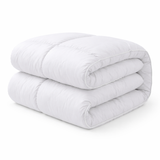
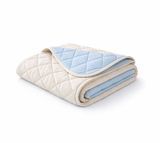
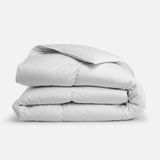
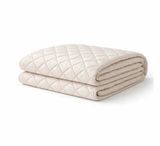
Not a Summer Duvet, but Not Yet a Winter One: Choosing a Duvet for Autumn
Autumn temperatures are constantly changing: warm days give way to cool nights, while the heating may not yet be switched on. A summer duvet may no longer feel warm enough, but a winter duvet can be too hot.
That is why autumn calls for a duvet that retains warmth without feeling heavy or causing overheating. Here is what to consider when choosing one.
How Is an Autumn Duvet Different from Summer and Winter Duvets?
The main difference is the warmth level.
A summer duvet contains less filling and is designed for warm nights. A winter duvet is fuller and retains heat more effectively at lower temperatures.
An autumn duvet sits between the two: it is warmer than a summer model but lighter than a winter one. It is suitable for cool nights, the period before the heating season begins and bedrooms with a moderate temperature.
Pay Attention to the Amount of Filling
One of the main indicators of a duvet’s warmth is its filling weight, usually measured in grams per square metre.
For autumn, many people choose duvets with approximately 200–250 g/m² of filling. They provide comfortable warmth without creating excessive bulk.
However, the number alone does not tell the whole story. Warmth is also affected by:
-
the type of filling;
-
its ability to trap air;
-
the duvet’s construction;
-
the cover material;
-
the temperature in the bedroom;
-
individual sensitivity to cold.
Two duvets with the same filling weight may feel different if they are made from different materials.
Which Filling Should You Choose?
Modern synthetic fillings are lightweight, resilient and easy to care for. They help the duvet retain its shape, dry quickly after washing and are suitable for regular use.
The filling should be distributed evenly throughout the duvet and should not gather in individual areas. Quilting helps secure the material in place and maintain the product’s shape.
Loft is another important consideration. Resilient filling traps air between its fibres, allowing a duvet to remain lightweight while still providing sufficient warmth.
The Cover Material Also Matters
The cover affects how the duvet feels, its breathability and overall comfort.
Suitable materials for an autumn duvet include:
-
cotton fabrics — pleasant against the skin and breathable;
-
satin — smooth, soft and characterised by a subtle sheen;
-
batiste — a lightweight and delicate material;
-
ticking — a dense, practical fabric that securely contains the filling;
-
microfibre — soft, durable and easy to care for.
The right choice depends on your preferences. Some people enjoy the smooth surface of satin, while others prefer a more practical fabric with a matte finish.
Consider the Temperature in Your Bedroom
The term “autumn duvet” may represent a different level of warmth for each person.
If your bedroom remains consistently warm, a lighter model may be sufficient. If the room cools down quickly or the heating is switched on late, it is better to choose a duvet with more filling.
You should also consider your personal comfort:
-
if you often feel cold, choose a warmer and fuller model;
-
if you warm up quickly, consider a lighter duvet;
-
if the temperature changes significantly throughout autumn, a versatile or combination duvet may be a convenient solution.
Choose the Correct Size
Even a warm duvet will not be comfortable if it is too small. It should cover the body freely and should not become tight when you change position during sleep.
Before purchasing, consider:
-
the size of the bed;
-
the number of people using the duvet;
-
the users’ height;
-
the desired additional width and length.
A single or small double duvet is suitable for one person. Couples should choose a sufficiently wide double duvet so that both people have enough space.
How to Care for an Autumn Duvet
Always check the manufacturer’s instructions on the care label before washing. Water temperature and drying methods depend on the cover and filling materials.
To help your duvet retain its properties for longer:
-
air it regularly;
-
use a duvet cover;
-
wash it according to the care instructions;
-
dry it completely after washing;
-
store it in a dry place without compressing it too tightly.
Proper care helps keep the filling evenly distributed and the duvet soft and full.
Which Duvet Should You Choose for Autumn?
The ideal autumn duvet should be warm enough for cool nights but not as heavy or full as a winter model. When choosing, consider not only the filling weight but also its type, the cover material, the temperature in your bedroom and your sensitivity to cold.
The U-TEK HOME collection includes duvets with different warmth levels, sizes and compositions. This allows you to select a comfortable option for early autumn, cooler transitional weather or the period before the heating is switched on.